Table Of Content

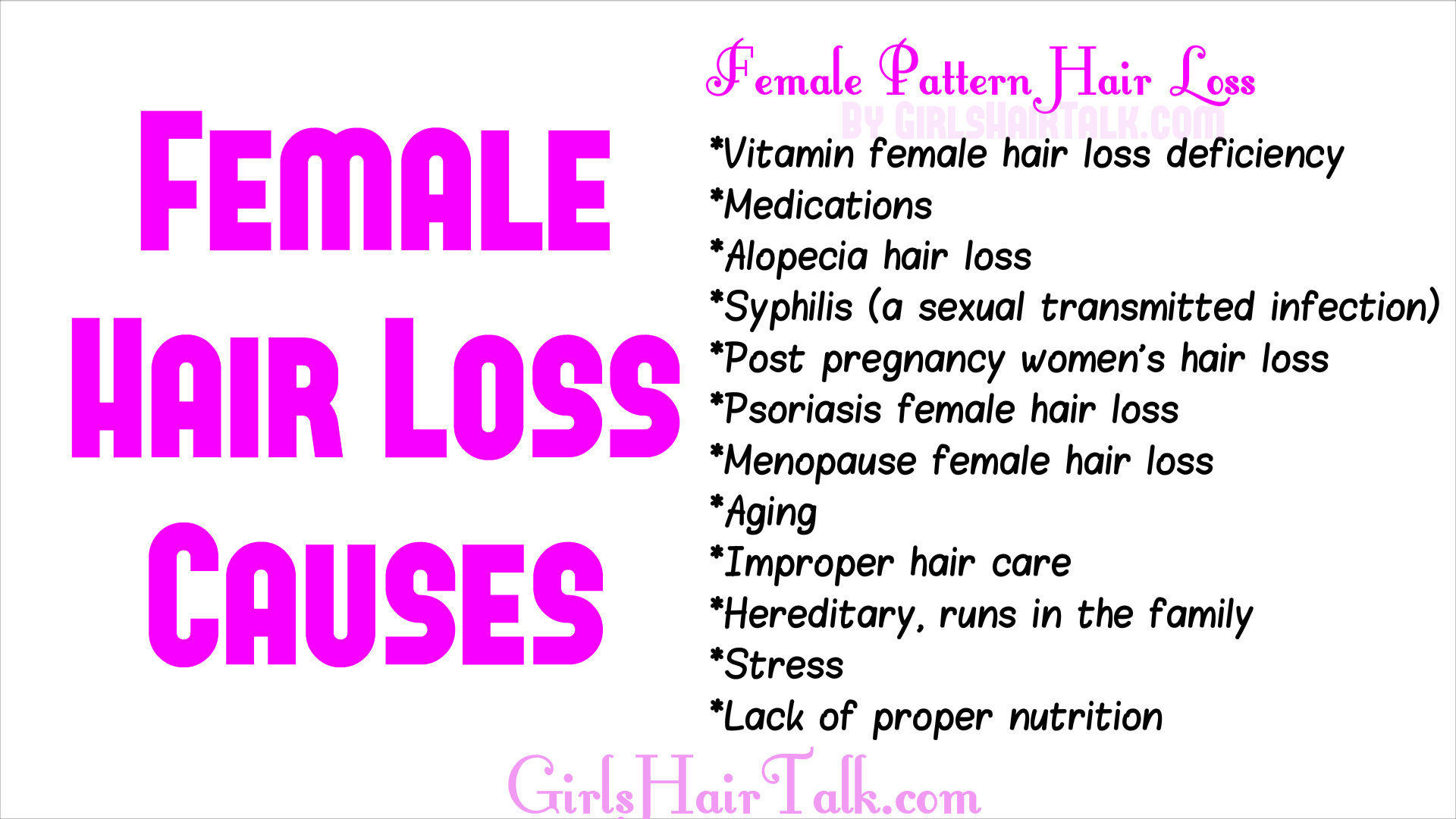
These ingredients are those that aren’t typically found in the diet, such as minoxidil and plant-based compounds. But these do take longer to work, as supplements “must first be metabolized by the body and dispersed by the bloodstream to be beneficial,” says Dr. Shaver. And oral supplements may have more systemic side effects and interactions with other medications, so it’s especially important to check with your doctor before taking a supplement. There are several reasons why you might be losing your hair. According to Agbai, genetics, hormonal shifts, stress, underlying medical conditions, nutritional deficiencies, and scalp inflammation are notable factors.
Effective hair loss treatments for women
FPHL is more common after the menopause suggesting oestrogens may be stimulatory for hair growth. But laboratory experiments have also suggested oestrogens may suppress hair growth. It's also common for women to lose more hair than usual up to 3 months after they've given birth. It can take the form of "thinning" or involve a total loss of hair. It can be gradual or sudden; it can affect the old and the young. Treatment that works for one person may not work for another.
stress
To assess hair shedding, women should choose which of the six photographs of hair bundles best represents how much hair they shed on an average day. Plus, they’ll be able to recommend and prescribe the best form of treatment. The sooner you receive treatment, the faster you’ll be able to stop the loss — and possibly even regrow some of your hair. These may be a sign that you’re experiencing a different type of hair loss. People with this condition also tend to shed more hairs than the average person, though complete baldness is less likely.
Vitamins, minerals, and other supplements
If you often wear a hairstyle like braids or a tight bun that puts prolonged strain or stress on the hair follicle, that can cause a type of permanent hair loss called traction alopecia. The most common cause of alopecia is an inherited condition called male- or female-pattern hair loss. Unlike other areas of the body, hairs on the scalp to grow in tufts of 3–4.
What is minoxidil, the anti-balding hair growth treatment? Here's what the science says - The Conversation Indonesia
What is minoxidil, the anti-balding hair growth treatment? Here's what the science says.
Posted: Thu, 14 Mar 2024 07:00:00 GMT [source]
Former Executive Editor, Harvard Women's Health Watch
Similarly, there isn’t any evidence that taking iron will regrow your hair. But if low iron is contributing to your hair loss, a doctor or other healthcare professional still might prescribe an iron supplement. Other supplements, such as biotin and folic acid, are also promoted to thicken hair. This means that the effects of male androgen hormones — which are linked to male pattern baldness —may be greater.
Stopping some types of birth control pills can cause a temporary hormonal imbalance. Women who develop a hormonal imbalance can develop thinning hair (or hair loss) on their scalp. See your doctor if you are distressed by persistent hair loss in you or your child and want to pursue treatment. For women who are experiencing a receding hairline (frontal fibrosing alopecia), talk with your doctor about early treatment to avoid significant permanent baldness.

How long does it take for FPHL to progress?
When the hairs reenter the growth phase, the hairs that had been suspended in the resting phase are suddenly released. Below, we’ll explore common causes of hair loss in women and the treatment options available. Singer Paloma Faith, 42, is the latest celebrity to open up about female hair loss, revealing that her condition is caused primarily by stress. The London born songwriter and actress joins a long list of women, including Ashley Graham and Jada Pinkett-Smith, who have spoken candidly about their hair loss journey. For instance, if your hair tends to be dry, then “look for serums that contain oils to help hydrate the dry hair shaft,” says Dr. Shaver.
Female pattern baldness is generally caused by an underlying endocrine condition or a hormone-secreting tumor. A doctor or dermatologist can give a diagnosis for thinning hair. Testing generally isn’t necessary, but they’ll examine your scalp to see the pattern of hair loss. During this procedure, a healthcare professional removes a thin strip of hair from one part of your scalp and implants it in an area where you’re missing hair.
In androgenetic alopecia, the tufts progressively lose hairs. Eventually, when all the hairs in the tuft are gone, bald scalp appears between the hairs. Laser combs and helmets are also FDA approved to treat hair loss. They use light energy to stimulate hair regrowth, but more research needs to be done to determine if this is truly effective. Early diagnosis is encouraged, as it can enable you to start a treatment plan and potentially minimize future hair loss.
The most significant cause of hair loss in women is female-pattern hair loss (FPHL). This affects about 30 million people in the United States. Doctors often prescribe oral medications to be used along with topical minoxidil because studies show the combination boosts hair production.
But finding the right formula isn't a matter of simply choosing a product off the shelf and hoping that it works. First, it helps to understand what’s causing your hair changes. You can either purchase over-the-counter laser devices to use at home or receive the treatments from a provider. Most users see results after consistent use for about two months.
Unwanted changes to your appearance can influence your self-esteem and social life. Some people find comfort in talking with a mental health professional if their hair loss causes discomfort. Others may find relief in changing their hairstyle or wearing a wig. See a dermatologist as soon as possible when you notice hair loss. The sooner you get treatment, the more effective it’ll be. If you have hair loss due to stress or hormone changes like pregnancy, you may not need treatment.


No comments:
Post a Comment